Brecht into the Metaverse!
This virtual world was the creation of Berlin-based collective Virtual Architects, who wanted virtual grounds to rehearse and explore the Bertolt Brecht play Senora Carrar’s Rifles. During Berlin Art Week 2025, this world was used to stage a dialogue-based VR installation Virtual Weapons (Brecht fragments #4 – #30) as part of the exhibition “Transformative Senses” Emixar II Berlin.
As one of the VR asset designers, my responsibilities were:
- Concepting and designing VR assets
- Building assets
- Optimizing assets
- Working closely with the project producer and lead artist to refine asset designs.
The project, called Brecht into the Metaverse! (2023), brought together professional theatre makers, actors and designers to co-create in the field of VR digital art production. The VR Chat world was intended to be both a staging and rehearsal area for the classic German play, as well as a persistent world for events.
The look-and-feel of the landscape was of a war torn, bleak and desolate Spanish town that sets the scene for the moral dilemmas that occur in the story. I also participated in play tests where I performed scenes from the play, interacting with various in-world assets. The concept of a multi-use theatre world is an interesting one for cultural knowledge production in VR. I hope to see further explorations in this direction. One of the affordances of VR performance is the option to create a world environment that can serve multiple purposes. This creates a lot of possibilities for creating experiences that work on several levels. For example, an experience that is delivered by professional performers, and a self-guided game world can exist concurrently. Experiences can also scale up and down as needed once the world is finished.
Below you’ll see examples of my design process using Blender and the VR Chat Creator Companion.
Notes on design:
One of the affordances of VR performance is the option to create a world environment that can serve multiple purposes. This creates a lot of possibilities for creating experiences that work on several levels. For example, an experience that is delivered by professional performers, and a self-guided game world can exist concurrently. Experiences can also scale up and down as needed once the world is finished.
The look-and-feel of the landscape was of a war torn, bleak and desolate Spanish town that sets the scene for the moral dilemmas that occur in the story. I also participated in play tests where I performed scenes from the play, interacting with various in-world assets. The concept of a multi-use theatre world is an interesting one for cultural knowledge production in VR. I hope to see further explorations in this direction.
Below you’ll see examples of my design process using Blender and the VR Chat Creator Companion.
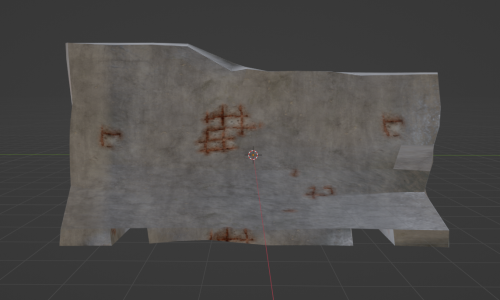
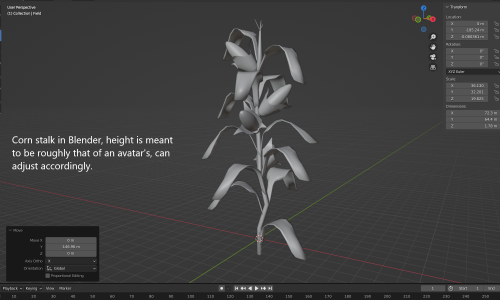
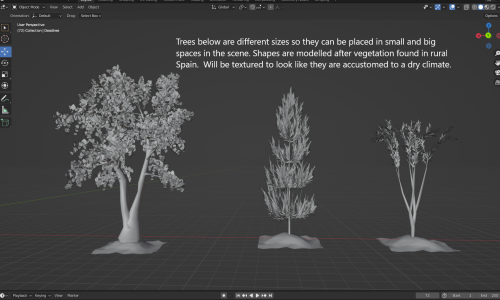
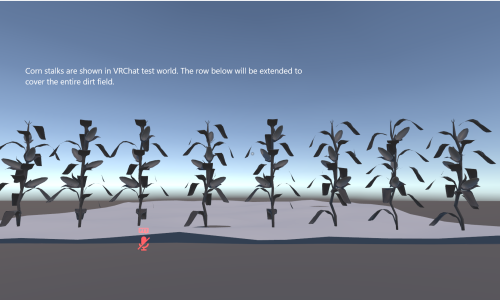
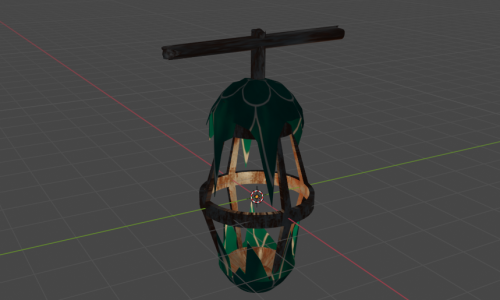
The design challenge for this project was to optimize multiple assets in a large production pipeline. I was constant communication with the producer to ensure the designers were working on separate assets, and that the assets were within the required performance specifications. I had a robust approach to version control and integrated tools to lower the polygon count of assets. I also made a test world in VR Chat, a sandbox where I could prototype assets and ensure they would work in the main performance world as intended.
I enjoyed seeing the separate pieces of the come together to set the emotional landscape for performers. Performing scenes from the work was also really interesting. It brought in a sense of experimentation that gave the space a unique feeling of possibility.